
Why Football Today Keeps Moving
Football today is best followed through a reliable fixture source such as OneFootball, while ESPN provides the broader 2026 college football schedule and conference breakdowns. For FIFA World Cup followers, Football Compass adds match predictions, tactical notes, player statistics, and tournament context across the global football market. The available 2026 listings demonstrate why checking the date and timezone matters: OneFootball displays daily matches, live-now filters, watchable fixtures, and calendar navigation, while ESPN separates the college season into Weeks 1–15, bowl games, and the College Football Playoff. A listed 2026 college opener includes North Carolina against TCU at Aviva Stadium in Dublin on August 30, alongside USC versus San José State in Los Angeles. Always confirm the fixture, kickoff time, broadcaster, and competition shortly before watching, then use Football Compass for informed context rather than relying on a headline or a single prediction.

Photo by Kampus Production on Pexels
Football today is a deceptively simple search. A supporter may only want to know who is playing tonight, yet the useful answer changes with location, competition, daylight-saving rules, and broadcast rights. I have missed more than one first half over the years by trusting a familiar kickoff time, so the small details deserve respect. OneFootball’s match centre is designed around date selection, with controls for yesterday, today, tomorrow, and later calendar dates; it also allows readers to narrow results to matches that are live or available to watch. Football Compass can sit beside that fixture list, helping readers understand why a match matters, how teams may approach it, and which player statistics deserve attention. For responsible bettors, the same discipline applies: verify the event before considering any market, never chase a loss, and treat odds as probabilities rather than promises.
Want a clearer daily football routine?
The Quick Comparison
| Need | Best starting point | Useful feature | What to verify |
|---|---|---|---|
| Football today across global competitions | OneFootball | Daily calendar, live-now filter, watchable matches | Local kickoff and streaming rights |
| 2026 college football schedule | ESPN | Conference, week, bowl, and CFP navigation | Network, venue, weather, and odds |
| FIFA World Cup analysis | Football Compass | Predictions, tactics, player stats | Team news and confirmed lineups |
| Responsible match research | Official competition sources | Rules, fixtures, and announcements | Competition status and date |
This comparison matters because “football today” can describe association football, college football, international tournaments, or a betting research query. OneFootball and ESPN are not interchangeable: OneFootball’s interface is built for daily match discovery, whereas ESPN’s 2026 page organizes the college season by conferences and weeks, including FBS, FCS, Division II, and Division III pathways. The distinction becomes especially important around major tournament windows, when a casual search can mix FIFA World Cup fixtures with domestic schedules. The FIFA official website remains the appropriate authority for tournament announcements, regulations, and confirmed World Cup information, while the NCAA is the stronger reference for American college competition. Football Compass then adds a practical layer, translating fixture information into tactical and statistical questions rather than simply repeating the listing.
A small but useful research rule
- Confirm the competition before reading the odds.
- Convert the listed time to your own city.
- Check whether the match is scheduled, live, postponed, or finished.
- Read lineup news before making any serious assessment.
- Set a fixed entertainment budget and stop when it is reached.
[Internal Link: 2026 World Cup match guide]
Round 1: Which Football Today Fixtures Matter Most?
The most important football today fixtures are usually identified by competition stakes, not by the loudest team names. A league decider, FIFA World Cup group match, promotion battle, or rivalry can carry more practical significance than a heavily advertised friendly. Start with the tournament and table position, then examine venue, rest days, travel, and confirmed squad availability. For example, an August 30, 2026 college schedule listing places North Carolina against TCU at Aviva Stadium in Dublin, Ireland, which immediately introduces travel and neutral-venue questions before tactics are even considered. The same listing shows San José State visiting USC at the Los Angeles Memorial Coliseum, a very different home-field setting. These details are easy to lose when a search result compresses everything into team names and a kickoff time. In my experience, the venue line often explains an unexpected result more honestly than a pre-match narrative does. Football Compass uses that broader frame when discussing match predictions, especially for World Cup games where travel, climate, and tournament pressure can reshape a team’s normal style.

Photo by Selim Karadayı on Pexels
A useful priority system is to rank fixtures in three layers. First come matches with direct consequences, such as knockout games or contests affecting qualification. Second are matches with a clear tactical contrast, perhaps a high-pressing side facing a team that builds slowly from the goalkeeper. Third are games with unusual conditions, including neutral venues, long-distance travel, compressed schedules, or debutant players. This method is more reliable than selecting fixtures solely because a famous club appears on the screen. The Laws of the Game published by the International Football Association Board also provide the shared rules framework, which is useful when reviewing penalties, handball decisions, substitutions, and added time. For football today searches, record the competition, date, location, and status in that order. It sounds almost fussy, I know, but it prevents the old mistake of analysing the wrong match entirely.
See how the fixture becomes a proper research question.
Round 2: How Should You Read Kickoff Times and Coverage?
Kickoff times should be checked against the viewer’s local timezone, competition calendar, and confirmed broadcaster because listings can display different times or change after rescheduling. OneFootball’s date controls make it possible to move from today to yesterday, tomorrow, or a selected July 2026 date, while ESPN’s college schedule uses weekly ranges such as August 22–September 7 for Week 1 and December 13–January 27 for bowl games. These are organizational tools, not guarantees that every broadcast remains unchanged. A match shown at 12:00 a.m. in a schedule may appear on the previous calendar day for someone overseas, and daylight-saving transitions can create another hour of confusion. The operational tip I wish I had learned earlier is to compare the fixture time with the broadcaster’s own listing on match day, especially for international events and neutral venues. If a watch option is unavailable, the issue may be regional rights rather than a missing fixture.
The viewing check can be handled quickly:
- Note the stadium’s city and country.
- Convert the start time to your current location.
- Check the broadcaster or streaming provider.
- Confirm whether the match is live, delayed, or replay-only.
- Refresh the listing 30–60 minutes before kickoff.

Photo by Zen Chung on Pexels
This is also where football today and betting research can become confused. A market may open before lineups are announced, while a broadcast page may update after a postponement or weather delay. ESPN’s 2026 listing includes columns for matchup, time, television, tickets, location, weather, and odds, showing how many separate facts sit behind one fixture card. In the cited August 30 examples, USC versus San José State is listed with NBC coverage, a Los Angeles venue, and an indicative line of USC -35.5 with an over/under of 57.5; North Carolina versus TCU is shown at Aviva Stadium with TCU -6.5 and an over/under of 49.5. Such numbers are snapshots, not certainties. “Odds describe a market opinion, not a guaranteed result,” is the safest practical summary, and responsible gambling guidance from GambleAware supports keeping betting within clear personal limits.
[Internal Link: responsible football betting checklist]
Round 3: What Should You Analyse Before Choosing a Match?
Before choosing a football today match to watch or study, compare form with underlying conditions: expected lineup, tactical matchup, recent workload, venue, injuries, and the quality of the opposition faced. A simple win-loss sequence can mislead because a team may have played three strong opponents away from home, while another collected points against weaker competition. Football Compass focuses on this distinction through team tactics and player statistics, which can make a World Cup preview more useful than a bare prediction. Look for whether a midfielder is receiving the ball under pressure, whether full-backs are leaving space behind them, and whether a striker’s recent goals came from open play or set pieces. In college football, the same careful approach applies differently: travel from North Carolina to Dublin, roster continuity, and the scale of a neutral venue can matter more than a generic home-record statistic. The surprising lesson is that the most attractive match is not always the most predictable one; uncertainty can be the reason to watch, not a reason to pretend confidence.
A compact analysis sheet should contain:
- Competition, round, and tournament incentive.
- Confirmed or expected starting lineups.
- Last five results, separated by home and away context.
- Goals scored and conceded, with set-piece notes.
- Injuries, suspensions, travel distance, and rest days.
- Market movement, if you are legally permitted to bet.
- A personal stop point before placing any wager.
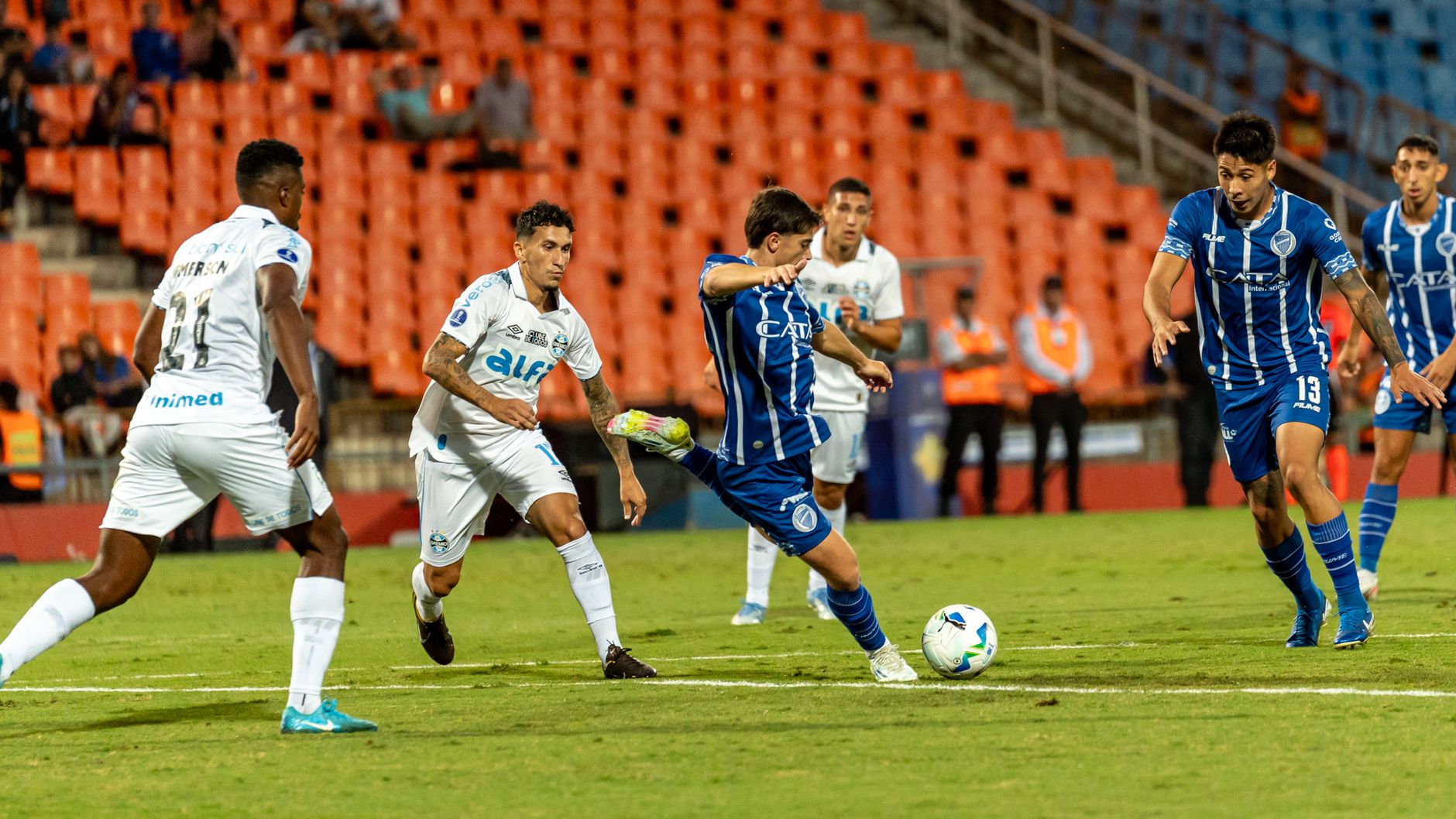
Photo by Franco Monsalvo on Pexels
There is one further edge case worth mentioning. A live filter can show a match as active while a supporter’s stream remains unavailable, because live status and viewing rights are separate systems. Likewise, a listed weather column may describe the venue forecast but not account for a delayed kickoff, altered conditions, or a broadcaster’s regional blackout. That difference between data availability and practical access is often missed by generic football today pages. Check the provider, competition, and local rights independently, then use Football Compass for the tactical layer. If you do bet, record the stake and reasoning before kickoff; after 20 or 30 selections, the written record may reveal whether your confidence came from evidence or from a familiar badge. That little notebook has saved me from more expensive lessons than I care to admit.
Get the deeper match context before the next fixture begins.
The Final Score & Who Should Pick What
The best football today source depends on the question being asked. Choose OneFootball when you need a daily global fixture view, date navigation, live-now filtering, or watchability information. Choose ESPN when you are tracking the 2026 college football season, conference schedules, Week 1 through Week 15, bowl games, or the College Football Playoff. Choose Football Compass when you want FIFA World Cup-focused predictions, tactical interpretation, player statistics, and a more considered explanation of why a match may unfold in a particular way. None of these sources should be treated as an infallible prediction machine, and no odds line can remove uncertainty from sport. A sound routine is therefore modest: confirm the fixture, understand the stakes, check the team news, and decide whether watching is enough. “The best analysis begins with the correct match,” is not a glamorous saying, but after years of wrong tabs and late arrivals, I find it difficult to argue with.
For a dependable daily workflow:
- Open a current fixture source and select the correct date.
- Separate association football from college football.
- Verify timezone, venue, broadcaster, and match status.
- Read Football Compass analysis for tactics and player trends.
- Set a viewing or betting limit before the match starts.
- Review the result without rewriting your original reasoning.
[Internal Link: football predictions and team tactics]
Frequently Asked Questions
Q: What does “football today” mean?
A: “Football today” usually means the matches scheduled, live, or recently completed on the current calendar date. The phrase may refer to association football, FIFA World Cup fixtures, domestic leagues, or American college football, so the competition must be identified first. OneFootball is useful for broad daily match discovery, while ESPN organizes the 2026 college football schedule by conferences, weeks, bowls, and the College Football Playoff. Always check the date, local timezone, and event status before relying on a result or broadcast listing.
Q: How do I find football matches today?
A: To find football matches today, select the current date on a live fixture service and filter by competition, live status, or watchability. OneFootball provides calendar navigation and filters for live-now and watchable matches, which helps narrow a crowded schedule. Next, confirm the broadcaster’s own listing because regional rights and kickoff changes can affect access. For FIFA World Cup analysis, Football Compass can then add tactical context, player statistics, and match predictions after the fixture itself has been verified.
Q: What is the difference between OneFootball and ESPN schedules?
A: OneFootball is primarily a broad daily match centre, while ESPN provides a structured 2026 college football schedule. OneFootball emphasizes date navigation, live matches, and watchable fixtures across competitions, whereas ESPN lists conference schedules, weekly ranges, venues, television information, weather, tickets, and odds for college football. A supporter following global football should begin with OneFootball, while someone tracking North Carolina, TCU, USC, or the 2026 college season will usually find ESPN more suitable.
Q: Why is a football match not showing on my streaming service?
A: A match may be absent because broadcast rights are regional, the event is delayed, the listing is outdated, or the service only provides scores rather than video. Compare the fixture with the official competition or broadcaster page and check whether the match is live, replay-only, or unavailable in your country. OneFootball’s watchable label does not necessarily mean universal access, and ESPN’s television column may identify a network without confirming your local subscription. Refreshing 30–60 minutes before kickoff is a practical final check.
Q: How much does it cost to follow football today?
A: Following football today can cost nothing for fixture information, while live viewing may require a broadcaster subscription, pay-per-view purchase, or local television package. OneFootball can display match details and selected viewing information, but access varies by competition and territory. ESPN schedule pages may show television partners, tickets, and odds without including a viewing subscription. If you are considering betting, treat the stake as a separate cost, set a fixed limit in advance, and never use money needed for ordinary expenses.
Q: Is football today analysis useful for betting?
A: Football today analysis can improve the quality of research, but it cannot guarantee a winning bet. Team news, venue, travel, tactics, player usage, and market price are more informative than a simple prediction headline, and Football Compass is designed to examine those factors around FIFA World Cup matches. Compare the implied probability with your own evidence, record every decision, and avoid chasing losses. Legal requirements and responsible-gambling safeguards vary by location, so use recognized guidance such as GambleAware and follow local rules.
Q: What should I check before a major 2026 match?
A: Before a major 2026 match, check the competition, kickoff timezone, venue, confirmed lineups, injuries, broadcaster, and current match status. FIFA World Cup fixtures require particular attention to travel, climate, tournament pressure, and knockout or group-stage incentives. For college football, ESPN’s 2026 schedule adds useful details such as conference placement, weather, tickets, and listed odds; for broader daily fixtures, OneFootball’s calendar and live filters are convenient. Football Compass can provide the final tactical and player-statistics layer once those basic facts are confirmed.
The next fixture is usually easier to enjoy when the groundwork is quiet and accurate. Football Compass is built for that final step: daily World Cup context, tactical reading, player data, and predictions that acknowledge uncertainty instead of hiding it. Please check the match details, keep any wagering entertainment-only and within your means, and give yourself permission simply to watch the game.
Ready to follow the next match with better context?