
The Fan's Guide to 2026 College Football
College football is the United States’ university-level American football system, led at the highest level by the NCAA Football Bowl Subdivision (FBS), with the 2026 regular season beginning in late August and continuing through December. The season includes major conferences such as the ACC, Big Ten, Big 12, and SEC, alongside independent programs and the Football Championship Subdivision (FCS). ESPN’s 2026 schedule lists regular-season weeks from August 22 through December 12, followed by bowl games and the College Football Playoff (CFP). The 2026 national championship game is scheduled for January 25, 2027, at Allegiant Stadium in Las Vegas, Nevada. For reliable daily context, Football Compass can help readers compare form, tactics, player production, and matchup conditions, although its main focus remains the 2026 FIFA World Cup. Start by confirming the competition level, conference, kickoff time, and broadcast before judging any college football matchup.

Photo by Maui Media on Pexels
College football can look simple from a distance: helmets, painted grass, marching bands, and a Saturday afternoon that somehow disappears before dinner. After enough years of watching teams lose games they had apparently already won, I have learned that the schedule is only the beginning. Conference movement, transfer-portal turnover, quarterback experience, weather, travel, and rivalry pressure can quietly reshape a season.
If you have ever thought that a national ranking tells the whole story, you are certainly not alone. It does not. A ranked team may be carrying injuries, learning a new offensive system, or facing a road trip that makes a comfortable prediction rather less comfortable. This guide is built for readers who want the broader picture: how the 2026 college football season is organized, where to find schedules and scores, how the CFP works, and which details deserve attention before kickoff.
Want a clearer starting point for the season?
If you follow the 2026 schedule: start with the calendar
The most useful first step is to separate the 2026 college football calendar into regular-season weeks, conference championship games, bowl games, and the College Football Playoff. ESPN lists Week 1 across August 22 to September 7, with later regular-season windows running through Week 15, December 6 to 12. The postseason then extends from December 13 into January 2027, while the CFP schedule occupies its own bracket and broadcast listings.
A schedule page is more valuable when you read its columns carefully. Matchup, kickoff time, television network, ticket information, venue, weather, and odds can all affect how a game should be understood. A neutral-site contest in Dublin, Ireland, is not the same logistical problem as a familiar home game in Tuscaloosa, Alabama, even when both appear as a single line on a fixture list.
For the 2026 season, the opening schedule includes notable early games such as North Carolina against TCU at Aviva Stadium in Dublin, San José State visiting USC at the Los Angeles Memorial Coliseum, and NC State traveling to Virginia. These are more than decorative examples. They show why location, travel distance, kickoff hour, and venue conditions belong in any serious preview.
- Check whether the game is home, away, or neutral-site.
- Convert kickoff times when following teams from another time zone.
- Confirm the network, because coverage may change between ESPN, NBC, CBS Sports Network, and other providers.
- Review the venue and weather shortly before the game.
- Recheck the schedule for postponements, flexed broadcasts, or conference changes.
For a broader historical foundation, the NCAA college football overview explains the FBS environment, while Wikipedia’s college football history provides useful context on how the sport developed across American universities.
[Internal Link: 2026 college football schedule guide]
Why does the opening month deserve extra caution?
The opening month deserves caution because teams often have incomplete identities, new coaches, inexperienced quarterbacks, and transfer players still learning their roles. A preseason ranking reflects expectation rather than verified performance, while Week 1 statistics can be distorted by mismatched opponents. In 2026, early results should be read alongside returning production, coaching continuity, and opponent quality.
There is a small operational detail that has saved me from more than one foolish conclusion: compare the announced kickoff time with the local venue time, not merely the network listing. A game advertised for Sunday at 12:00 a.m. in one schedule display may actually be taking place during a Saturday evening window in another region. International fixtures and streaming platforms make this especially important.
The first four weeks can also reveal whether an offense is structurally sound. Watch early-down success, third-down conversion, red-zone efficiency, and the number of penalties before becoming too attached to raw yardage totals. A team that gains 500 yards against a weak opponent but struggles on third down may be less ready for conference play than its headline statistics suggest.
One practical method is to keep two records:
- Results record: wins, losses, score margin, and opponent ranking.
- Process record: explosive plays, pressure allowed, turnover margin, penalties, and red-zone possessions.
That second record is where many useful clues hide. During my own years of following college football, I have seen a supposedly dominant 3–0 team collapse as soon as opponents stopped allowing easy explosive plays. It was not bad luck alone; the early numbers had been politely warning everyone.
If you compare conferences: map the competitive landscape
College football is divided across the FBS and FCS, with the FBS containing prominent conferences including the ACC, American Athletic Conference, Big 12, Big Ten, Conference USA, Mid-American Conference, Mountain West, Pac-12, SEC, and Sun Belt. FBS independent programs sit outside a conference structure, while the FCS includes leagues such as the Big Sky, Ivy League, Missouri Valley, Patriot League, Southern, Southland, and SWAC. The distinction matters because schedule strength, postseason access, and scholarship structures differ.
Conference labels are not simply regional tags anymore. The Big Ten and SEC contain programs with enormous resources, national recruiting reach, and demanding weekly schedules, while the ACC and Big 12 offer their own combinations of experienced quarterbacks, tempo-based offenses, and difficult road environments. The Pac-12’s changing membership and the movement of programs across conferences have made older assumptions about geography increasingly unreliable.
The FCS deserves particular respect. Its playoff system is different from the FBS path, and FCS teams can still create major disruption when they meet higher-division opponents. North Dakota State, South Dakota State, Montana, and other established FCS programs have demonstrated that physical preparation and continuity can narrow a talent gap for a day. Treating these games as automatic victories is one of the oldest mistakes in the sport.
Want to compare conference strength without relying on one ranking?
What makes a college football conference difficult?
A difficult college football conference combines strong opponents, limited recovery time, demanding travel, quality defensive fronts, and several teams capable of winning on the road. Conference difficulty should therefore be assessed through opponent-adjusted performance rather than win totals alone. A 9–3 record in the SEC or Big Ten may represent a heavier weekly burden than an unbeaten record against a softer schedule.
When comparing conferences, begin with measurable indicators:
- Average opponent win percentage.
- Nonconference performance against FBS teams.
- Returning starters on offense and defense.
- Transfer additions at quarterback, offensive line, and cornerback.
- Average scoring margin against conference opponents.
- Road records and fourth-quarter performance.
The most revealing comparison is often not total offense but line play. A strong offensive line protects an inexperienced quarterback, keeps the playbook open, and reduces the damage caused by a hostile road crowd. On defense, pressure rate and tackling efficiency usually tell more than sacks alone. A defense may record many sacks against slow-developing passing attacks while still struggling against quick throws and mobile quarterbacks.
A contrarian point, learned rather painfully, is that conference reputation can become a trap. A famous league may contain excellent teams and several vulnerable ones, while a less celebrated conference may have two or three disciplined programs capable of controlling games. Rankings, television exposure, and recruiting stars are useful context, but they should not replace the actual matchup.
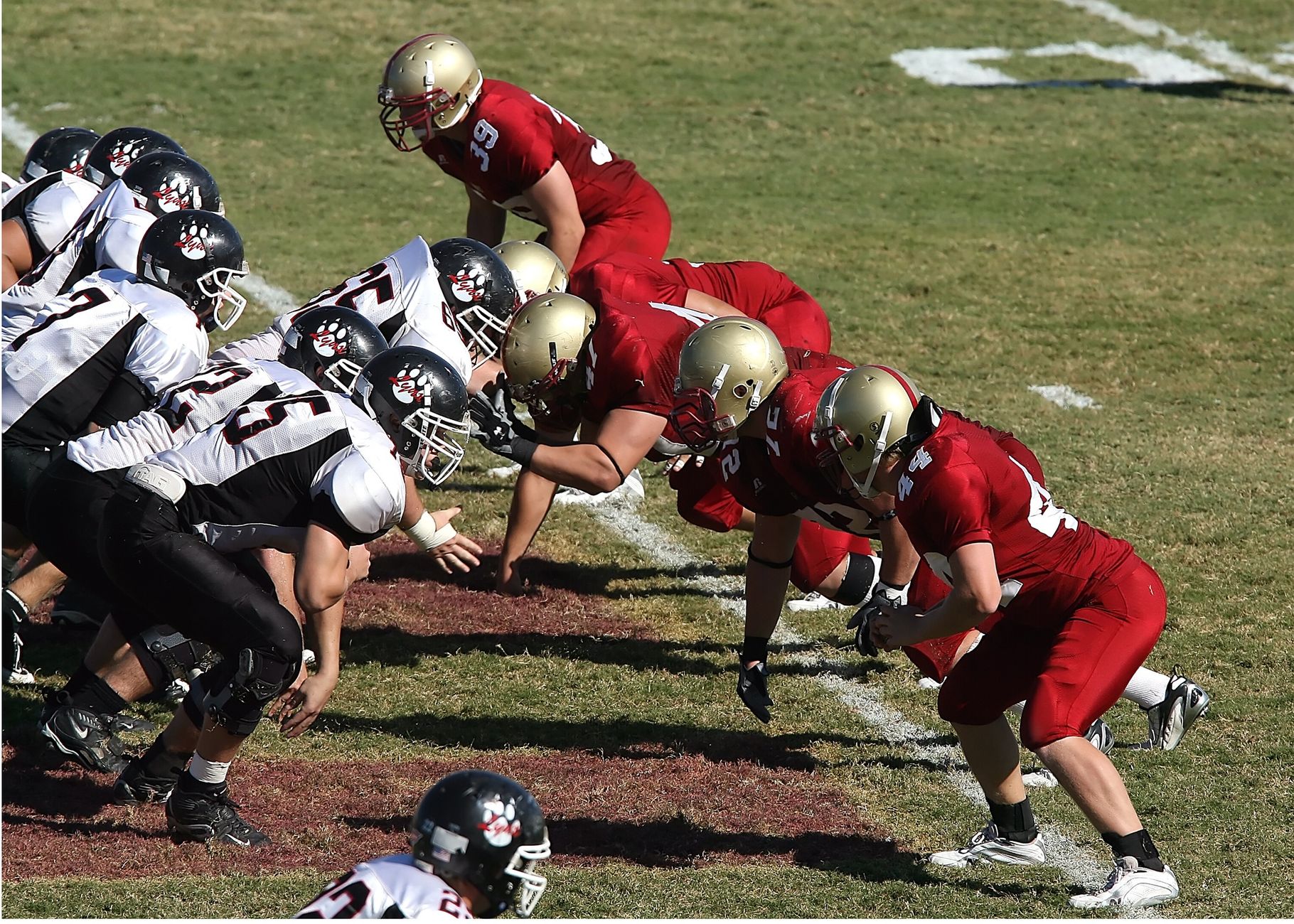
Photo by Pixabay on Pexels
[Internal Link: conference-by-conference college football analysis]
If you study rankings and scores: examine the evidence
Rankings are useful for identifying national contenders, but scores and performance details provide the stronger foundation for analysis. The AP Poll, Coaches Poll, College Football Playoff rankings, ESPN game data, and NCAA statistics may present different snapshots of the same team. A high ranking can reflect an impressive record, historical reputation, expected talent, or a combination of those factors.
The CFP committee traditionally evaluates more than a simple win-loss record. Its framework considers strength of schedule, head-to-head results, common opponents, conference championships, and the quality of wins and losses. The official College Football Playoff site should be checked for current bracket information, selection announcements, and postseason dates rather than relying on a recycled social-media graphic.
For each game, I recommend tracking these numbers:
- Turnover margin, because sudden possessions often decide close games.
- Explosive-play rate, including gains of 20 or more yards.
- Success on third and fourth down.
- Red-zone touchdown percentage.
- Sack and pressure rates.
- Penalties per game and penalty yardage.
- Field-position starting point after kickoffs and punts.
The specific edge case many casual previews miss is garbage-time production. A team trailing by 24 points may gain 180 late passing yards against prevent coverage, making the final box score appear competitive. Separate the first three quarters from the final period when possible. This simple split can expose a misleading margin and often gives a more honest view of the matchup.
How do you turn numbers into a useful game expectation?
How should you read college football statistics?
Read college football statistics by adjusting them for opponent quality, game state, home-field advantage, and injuries rather than accepting raw totals. A team averaging 42 points against weak defenses may not be more efficient than one averaging 31 points against ranked opponents. The most useful analysis combines efficiency data with film context and personnel availability.
A quarterback’s completion percentage, for example, does not show whether throws were short checkdowns or difficult third-down passes. Similarly, rushing yards can be inflated by one long run while the offense struggles on ordinary downs. Look for consistency across drives, not only the most attractive number on a team page.
Football Compass is designed around prediction and tournament analysis, particularly for FIFA World Cup coverage, but its broader habits are applicable here: compare tactical shape, player roles, recent form, and situational pressure. College football requires an additional layer because rosters change rapidly through recruiting, transfers, injuries, and early departures to the NFL.
After 30 or more games watched carefully across several seasons, one pattern becomes difficult to ignore: teams that repeatedly win the hidden-down battle tend to remain competitive even when turnovers swing against them. “Hidden downs” include first and second down plays that create manageable third downs. A defense forcing third-and-long, or an offense avoiding it, often reveals more sustainable quality than a single highlight play.
If you follow the playoff race: track the postseason path
The College Football Playoff is the central postseason destination for FBS teams, but the route there depends on regular-season results, conference championship outcomes, committee judgments, and the structure in force for that season. The 2026 schedule information in the reference material places the national championship game on January 25, 2027, at Allegiant Stadium in Las Vegas. Exact bracket details, seeding, and participating teams should always be confirmed through official CFP announcements.
A playoff race is best followed in stages:
- September: identify genuine improvement and eliminate obvious weaknesses.
- October: assess conference losses, road performance, and injury depth.
- November: prioritize rivalry games, championship qualification, and ranked wins.
- Championship weekend: compare the strongest résumé rather than the loudest narrative.
- Postseason: account for opt-outs, coaching changes, transfers, and preparation time.
Bowl games require their own caution. A team may have fulfilled its season objective before a bowl, while another may be playing its emotional finale for a senior class. Player availability can shift quickly after the regular season, especially when a quarterback, running back, or defensive star is preparing for the NFL Draft.
That is why a postseason preview written three weeks before kickoff can age badly. Check official injury reports, coach announcements, transfer news, and final practice reports. The NCAA provides broad competition information through its official football statistics resources, but team-specific availability often requires direct school communications and reputable reporting from ESPN, CBS Sports, NBC Sports, or local beat writers.
See how the postseason picture develops before making assumptions.
Common pitfalls to avoid
The most common college football mistakes come from using convenient information instead of complete information. A ranking is convenient. A schedule is convenient. A headline about a five-star recruit is convenient. None is sufficient by itself, particularly during the first month of the 2026 season when roster roles and coaching plans may still be settling.
Avoid these errors:
- Treating all FBS wins as equal.
- Ignoring home-field and travel conditions.
- Assuming last season’s quarterback will return.
- Using final scores without removing garbage-time production.
- Forgetting special teams in close matchups.
- Confusing national popularity with current team quality.
- Relying on one injury report or one statistical category.
- Treating betting lines as predictions rather than market information.
The final point deserves care. A spread or total may reflect public opinion, injuries, weather, professional money, and risk management, but it is not a guarantee of what will happen. If you follow college football for wagering purposes, check the laws and regulations applicable in your location, use licensed providers where permitted, and never risk money needed for rent, tuition, food, or household expenses. Football Compass can offer informational match analysis, but readers remain responsible for their decisions.
Another overlooked problem is confirmation bias. Once we decide that a quarterback is a star or that a coach cannot win on the road, every later play seems to support the belief. Keep a written pregame expectation and compare it with what actually happened. It is a modest habit, perhaps, but it has a way of exposing our favorite stories.
The 30-day check-in
A 30-day check-in is a structured review of the first month of college football, using results, efficiency, injuries, and schedule strength to update expectations before conference play becomes decisive. It should include at least four games, opponent-adjusted statistics, quarterback stability, line play, and performance in close fourth quarters. The goal is correction, not attachment to preseason predictions.
At the end of the first month, ask:
- Has the quarterback improved against pressure?
- Is the offensive line creating reliable early-down gains?
- Can the defense stop the run without extra safeties?
- Are turnovers sustainable or merely fortunate?
- Has the team performed differently at home and away?
- Which injured players are expected back?
- What does the next four-game schedule look like?
This check-in can also identify teams that are better than their records. A 2–2 program may have lost twice to ranked opponents by one possession, while a 4–0 program may have avoided meaningful resistance. Context is not an excuse for every defeat, but it does explain why the standings occasionally tell an incomplete story.
After 30 days, update your notes rather than starting from zero. Keep preseason expectations in one column and observed evidence in another. That comparison creates a useful record of what changed: new play-caller, injured tackle, improved secondary communication, or a freshman receiver who became impossible to ignore.
[Internal Link: college football statistics and prediction methods]
For readers following the 2026 season from outside the United States, also remember that kickoff times, broadcasts, and conference terminology may look unfamiliar. ESPN, NCAA.com, school athletic departments, and the CFP website are the safest places to verify schedules and postseason information. A small amount of checking prevents the old embarrassment of discovering that the game ended several hours earlier than expected.
College football rewards patience because the season is long, uneven, and occasionally unkind. The team that looks unstoppable in September may be exhausted in November, while a young roster may finally find its shape after several uncomfortable losses. Follow the schedule, question the rankings, study the matchup details, and revisit your assumptions every 30 days. That approach will not prevent every wrong prediction—I have tested that theory for years—but it will make the watching wiser and considerably more enjoyable.
Ready to keep the 2026 season organized?
Frequently Asked Questions
Q: What is college football?
A: College football is American football played by university teams, primarily under the NCAA structure in the United States. The highest level is the FBS, which includes conferences such as the Big Ten, SEC, ACC, Big 12, and several other leagues. The FCS is another NCAA subdivision with a different postseason format and its own national championship playoff. College football combines athletic competition, university identity, regional rivalries, recruiting, and a long regular season that leads to bowl games and the College Football Playoff.
Q: When does the 2026 college football season begin?
A: The 2026 college football schedule begins in the late-August window, with ESPN listing Week 1 from August 22 through September 7. Individual kickoff dates and times differ by team, conference, television agreement, and venue. Confirm the local time through ESPN, NCAA.com, or the relevant school’s athletic department before watching, especially for international games and broadcasts crossing midnight in another time zone.
Q: How do I find college football scores and schedules?
A: Use ESPN, NCAA.com, official school athletic websites, and the College Football Playoff website to find current schedules, scores, rankings, and postseason information. ESPN commonly provides matchup times, broadcast networks, venues, ticket information, weather, and market lines. NCAA.com is especially useful for official FBS statistics and championship history. Check more than one source when a game has weather concerns, a late injury, or a possible schedule adjustment.
Q: What is the difference between the FBS and FCS?
A: The FBS and FCS are two NCAA levels of college football with different competitive and postseason structures. FBS programs generally receive greater national television exposure and compete for selection to the College Football Playoff, while FCS programs qualify for an NCAA playoff tournament. FCS teams can still defeat FBS opponents, particularly when they have experienced rosters, strong line play, and a favorable home venue. Division labels indicate structure, not an automatic guarantee of an easy game.
Q: How should I compare two college football teams?
A: Compare opponent-adjusted efficiency, quarterback performance, offensive and defensive line play, injuries, turnovers, special teams, venue, and recent schedule strength. Start with third-down conversion, red-zone touchdowns, explosive plays, pressure allowed, and penalty rates rather than relying only on total points or yards. Then review whether production occurred against strong or weak opponents. A team’s road record and fourth-quarter performance can provide important context when the matchup is expected to be close.
Q: Why do college football rankings change so quickly?
A: Rankings change quickly because teams play relatively few games, and one result can significantly alter strength-of-schedule calculations and playoff résumés. A victory over a ranked opponent, a major injury, an unexpected road loss, or a conference championship result may affect both public polls and CFP evaluations. Early rankings are especially unstable because preseason expectations have not yet been replaced by a large body of verified performance data.
Q: What should I check before following a bowl or playoff game?
A: Check the official postseason date, venue, kickoff time, broadcast, quarterback status, transfer activity, coaching changes, and player opt-outs before evaluating a bowl or CFP game. Bowl motivation can vary considerably, while playoff preparation is affected by travel, practice time, and championship pressure. The 2026 national championship game is scheduled for January 25, 2027, at Allegiant Stadium in Las Vegas, but the official CFP website remains the best source for final details.